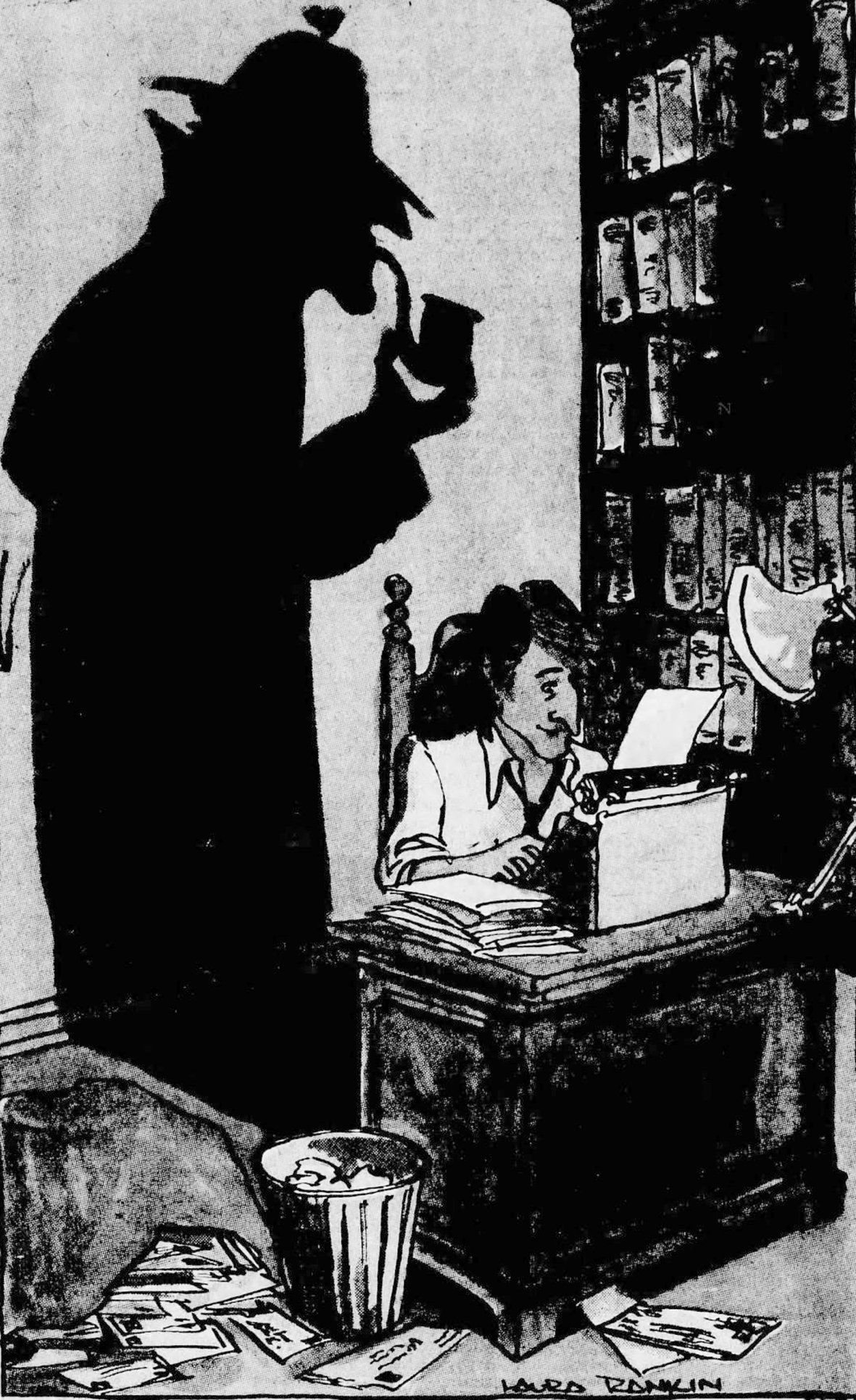
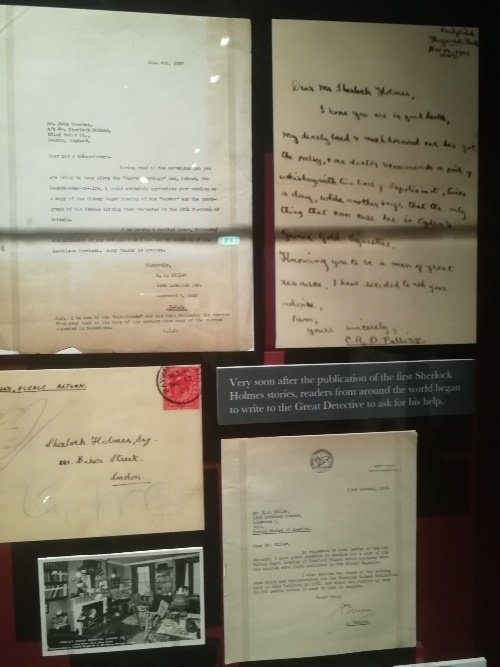
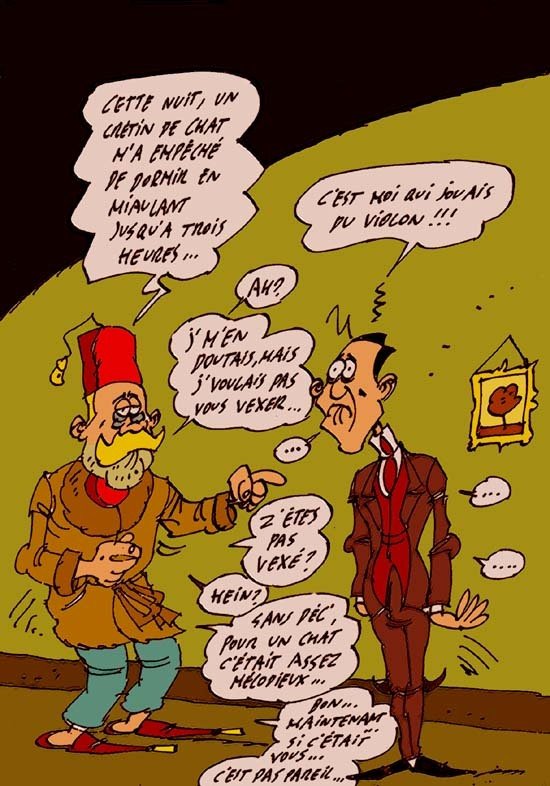
Investigation Who were Sherlock Holmes’s secretaries? by Thierry Saint-Joanis | | | | Illustration by Laura Rankin in The Buffalo News in 1980. | | “Mr Holmes regrets that he is unable to reply to your letter personally. He has now retired, preferring the peace and quiet of the Sussex countryside to the clamour of modern-day London.” This is the best reply Sherlock Holmes’s secretaries sent for more than half a century to those who wrote to the detective at his address, 221B Baker Street, London. But who were these secretaries? An investigation by Thierry Saint-Joanis. Sherlock’s Secretary is a new procedural crime series being developed for USA Network. It would follow an eccentric London woman responsible for answering the thousands of letters addressed to Sherlock Holmes. After years spent on this task, she becomes — without realising it — the person closest to Sherlock Holmes and begins investigating real mysteries arriving at 221B Baker Street. Produced by Fox Entertainment Studios, Sherlock’s Secretary would therefore be a new crime series built around one of the world’s most famous literary franchises. The project originated with producer Bruce Nash, when he discovered the story of the real-life secretary to Sherlock Holmes. “When I learned that a real person had a job answering letters sent to Sherlock Holmes, I knew there was a television series in that story. Andy Berman, the proposed showrunner and executive producer, immediately saw a fresh way into the Sherlock Holmes universe, and I am delighted to see the project find a home at USA Network.” But whom is Bruce Nash referring to? Gug Kyriacou, who will serve as a consultant on the series project. He himself held the real-life job of Sherlock Holmes’s secretary in the early 2000s while working for Abbey National — the bank whose Baker Street premises in London encompassed 221B. He was the last person to answer the detective’s mail, but who came before him? The dynasty of Sherlock Holmes’s secretaries First there were the earliest letters sent to Holmes care of Conan Doyle, along with any replies Conan Doyle wrote himself or entrusted to people around him. Then came a period when readers began to regard Holmes as a real person, but one without a home because 221B did not exist on Baker Street. Finally came the appearance of a real 221B, inside the premises of a bank, where an office was assigned to a secretary responsible for answering his mail. And when the bank disappeared, responsibility for the correspondence fell to the Sherlock Holmes Museum. But who answers the mail of a detective who does not exist? Men and women who opened, read and sometimes even dealt with letters addressed to Sherlock Holmes. Some correspondents asked him to solve a puzzle, others sought his opinion, an autograph, or simply news of their famous compatriot. And for decades, a real “secretary to Sherlock Holmes” existed within a London bank. A distinction must be made between the first known letter addressed to Holmes (1890) and the first letter received at the real address of 221B Baker Street (1935). Richard Lancelyn Green points this out in the preface to Letters to Sherlock Holmes, published in 1985 (see the presentation in yesterday’s edition), the earliest known letter addressed to Sherlock Holmes dates from 1890, only three years after the publication of A Study in Scarlet. Its author was a tobacco merchant from Philadelphia. He wrote to Holmes asking for a copy of his famous monograph on tobacco ashes — the one in which the detective claims to have identified no fewer than 140 varieties. This letter is particularly revealing. For some readers, Holmes had already become more than a fictional character. One could ask him for information, seek his expertise and expect him to be able to reply. At that time, however, it was obviously impossible to write to the real “221B Baker Street”: number 221B did not yet exist in the street. Readers therefore wrote, among other ways, care of Conan Doyle. It was not until the 1930s that fiction and London geography met in spectacular fashion. In the 1930s, Baker Street was reconfigured and numbers above 200 appeared in the area. TheAbbey Road Building Society then had its headquarters built in a large building at 219–229 Baker Street. Holmes’s fictional address was therefore physically located inside the bank building. In 1935, a letter arrived at that address. It was intended for Sherlock Holmes. The situation might have remained a simple anecdote: the bank could have returned the letter to its sender, saying that the addressee did not exist. Instead, it chose to play along. Someone was assigned to reply. The response relied on information perfectly compatible with the Canon: Sherlock Holmes has retired to Sussex and devotes himself to beekeeping. Fiction thus became an administrative reality. Sherlock Holmes had an address. He received mail. And he had a secretary. | | | | Documents preserved
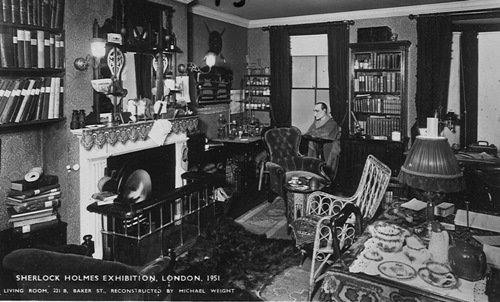
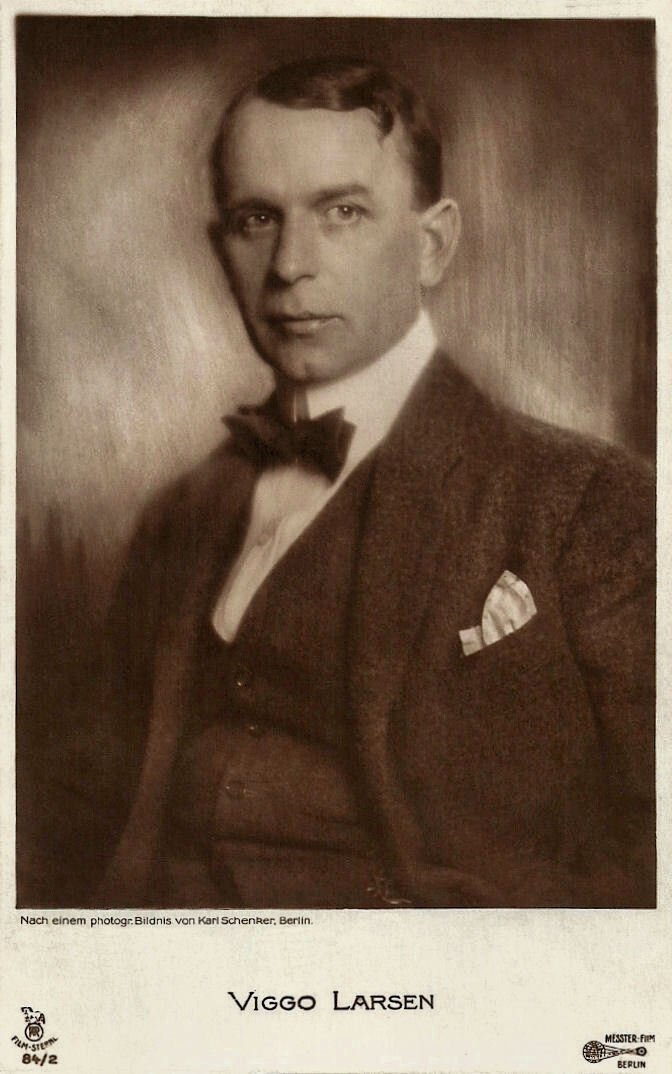
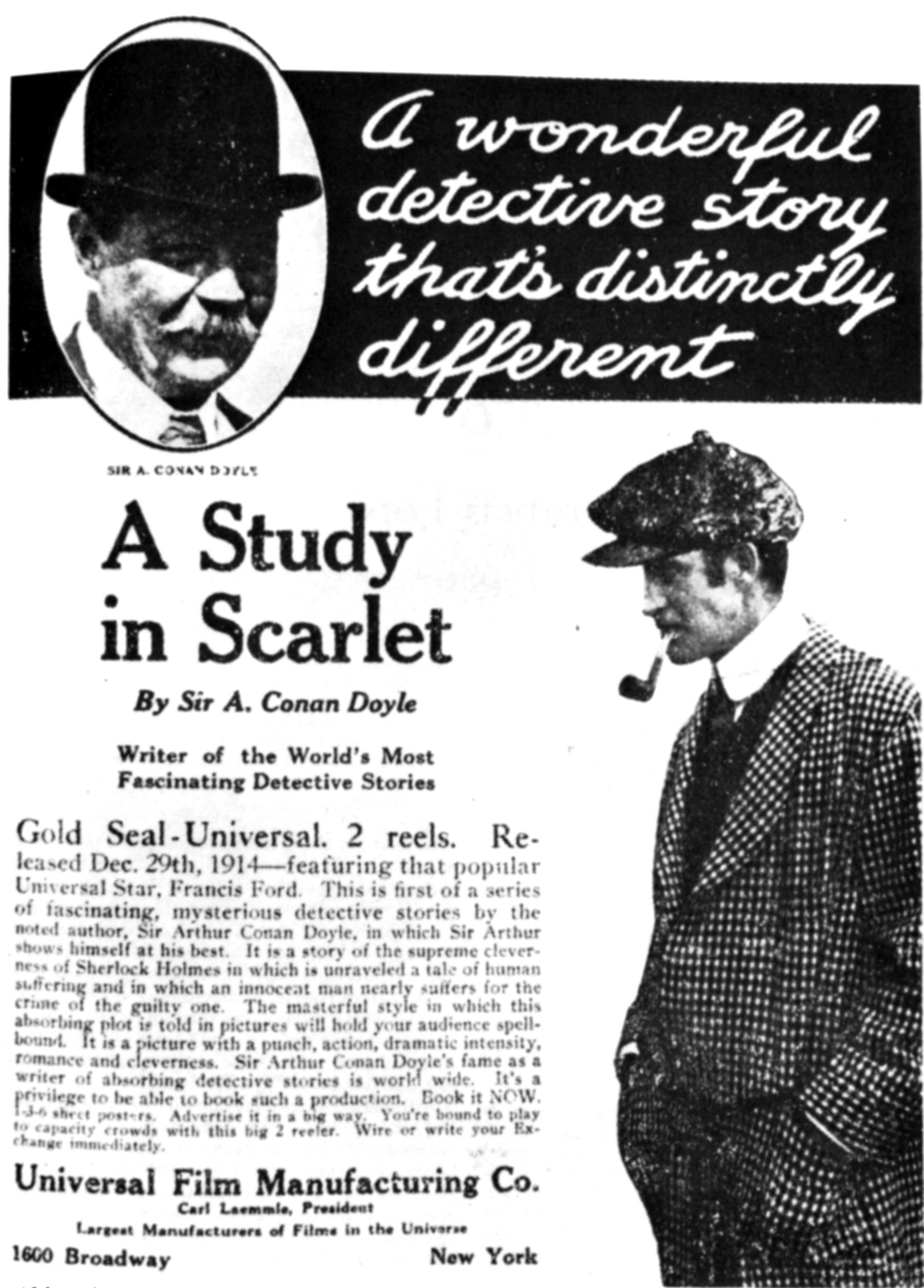
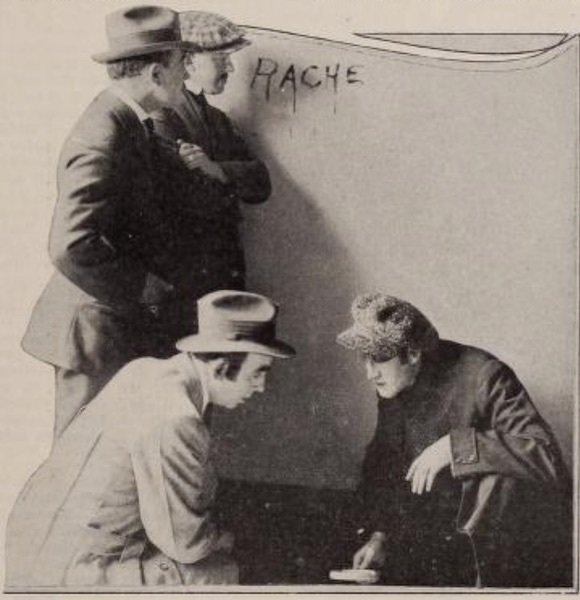
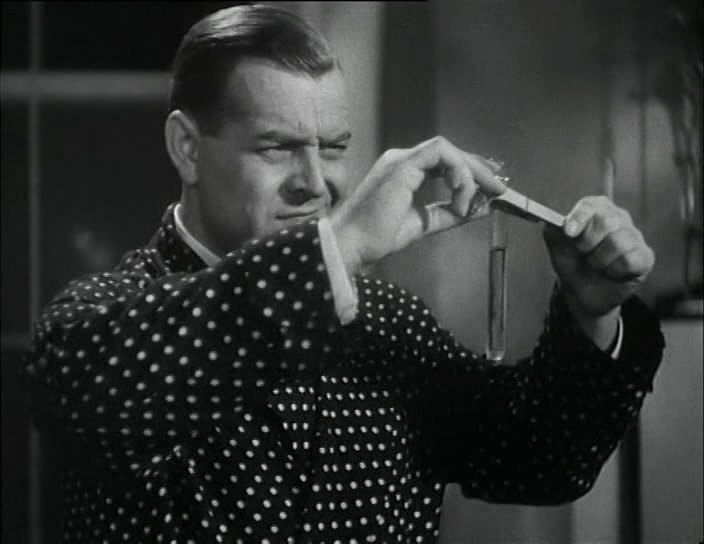
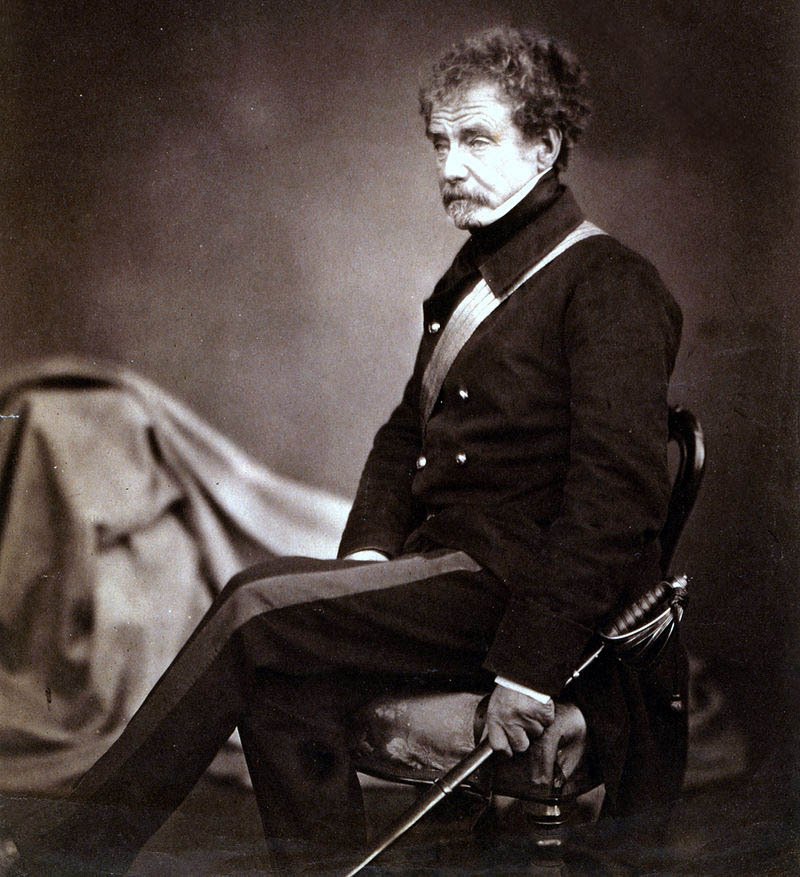
at the Conan Doyle Collection in Portsmouth. | | The correspondence becomes an institution Letters arrive from all over the world: from the United States, Japan, India, Germany and many other countries. Some are clearly written humorously by readers perfectly aware that Holmes is fictional. Others seem to reflect a far more literal belief. By the mid-1980s,Abbey National was receiving about forty letters a week addressed to Holmes. Sue Brown, a member of the bank’s public relations department, was then responsible for replying to them. Holmes was asked to find lost objects, solve crimes, give his opinion on personal problems or even intervene in political affairs. In the late 1980s, Nikki Caparn, one of Holmes’s secretaries, told the New York Times that Holmes had been consulted about Watergate, Irangate, the murder of Swedish Prime Minister Olof Palme and much more prosaic problems, such as misplaced school homework. The secretary’s reply naturally became part of the game: Holmes no longer takes new cases. He is retired. He keeps bees. And, above all, nobody says that he never existed. Nikki Caparn admirably summed up the philosophy behind this correspondence: some senders knew perfectly well that Holmes was fictional; others, it seems, had not quite understood. The secretary therefore preferred never to shatter the illusion abruptly. This extraordinary correspondence might have disappeared into the bank’s archives. Fortunately, it interested one of the greatest Sherlock Holmes scholars: Richard Lancelyn Green. His book Letters to Sherlock Holmes, published by Penguin in 1985, brings together a selection of letters received at the address ofAbbey National. The book now provides exceptional testimony to readers’ relationship with Holmes. Its interest is twofold. First, it shows us Sherlock Holmes’s readers: their questions, obsessions, humour and sometimes astonishing naivety. But it also preserves something rarer: a record of the people who replied to those letters. This is how Sue Brown entered the editorial history of Holmes, not as a character invented by a novelist, but as a real bank employee who agreed for several years to become, so to speak, the detective’s administrative voice. Lancelyn Green tells the story. It all begins “... in 1950, when St Marylebone Public Library announced its plan for an exhibition devoted to Sherlock Holmes”. The idea was to recreate the Baker Street sitting room... in Baker Street (it can still be seen in the first-floor restaurant at the Sherlock Holmes pub in London). “Many Holmes fans then wrote to the press or directly to the man himself to offer objects for display, while others later sent him congratulations on the success of the event.” At the time, the librarian was responsible for answering them. “After the exhibition, this role was taken over by John Greaves, an Abbey National employee. Although he was not the first to stand in for Sherlock Holmes — his predecessor Samuel Morton having already dealt with correspondence — Greaves was in many respects the person best qualified for the task, being a keen Sherlockian and secretary of the Dickens Fellowship. Knowing the stories by heart and drawing on the experience of the recent exhibition, he could speak with authority on the subject. When asked, for example, to explain the disappearance of a diver, he suggested that The Lion’s Mane might perhaps be responsible. He also had cards printed for correspondents — one showing Sherlock Holmes and another his sitting room — and later published a booklet entitled The Immortal Sherlock Holmes .” John Greaves was a fascinating literary enthusiast who occupied a unique place in British popular culture, as the “official secretary to Sherlock Holmes” and an organiser of the Dickens Fellowship. He worked for theAbbey National Building Society for thirty-five years, from 1921 to 1956. His office was in Abbey House, a large Art Deco building on Baker Street. The building encompassed numbers 219 to 229, thus legally absorbing Sherlock Holmes’s fictional address: 221B Baker Street. Following the Festival of Britain exhibition in 1951, the volume of mail sent by fans from all over the world to “221B Baker Street” exploded. Out of sheer kindness and for the fun of it, Greaves took on the voluntary role of answering these letters in the fictional detective’s name. The postal services regularly forwarded mail addressed to Holmes directly to Abbey House. Greaves wrote witty and courteous replies, gently informing fans that Mr Holmes had “retired to Sussex to keep bees”. A study of the careers of Samuel Morton and John Greaves at theAbbey National Building Society reveals a fascinating mixture of typical mid-twentieth-century British banking life and unexpected literary celebrity. While Samuel Morton left a more discreet historical trace, John Greaves was a prominent figure whose life, both professional and private, is well documented. After Morton and Greaves, came Jill Hutton Nicholson, Lesley Whitson, Chris Bazlinton, Sue Brown, Nikki Caparn, Tony Harries and Gug Kyriacou. Although they were appointed without necessarily having read the stories beforehand, each of them maintained this correspondence admirably, displaying great common sense and good humour. We shall introduce them, along with the continuation of our investigation, in tomorrow’s edition. | | | | | Answer the questions below. To take part, send your answers together with your name. by email to doyly-planet@sherlock-holmes.fr You may answer until the solution has been revealed in The Doyly Planet. | | | “Empty House” Puzzle 3 points for the correct answer | | | What flowers grow beneath Ronald Adair’s windows? What flowers grow beneath Ronald Adair's windows? | | | The events of the day (BOSC) 14 August | | | | | | | Viggo Larsen, the Danish filmmaker and former army sergeant turned actor who directed all Nordisk productions between 1906 and 1909 with the help of his cinematographer Axel Sorensen, was born on 14 August 1880 (died 6 January 1957). His career was dominated by literary adaptations. Between 1908 and 1909, Larsen directed a series of films adapted from Conan Doyle in which he himself played Sherlock Holmes, as well as two “encounters” between Holmes and Arsène Lupin in 1910. - 1908 - Sherlock Holmes with Holger-Madsen (Raffles) and Gustave Lund (Moriarty), - 1908 - Sherlock Holmes I Livsfare (Sherlock Holmes in the Hands of the Card-Sharpers) - 1908 - Sherlock Holmes II - 1908 - Sherlock Holmes III/Sherlock Holmes I Gaskjeldfren - 1909 - Sherlock Holmes Oplevelser IV / Sangerindens Diamenter - 1909 - Droske no. 519 - 1909 - Den Graa Dame/Sherlock Holmes VI with Holger-Madsen (Dr Watson) - 1910 - Arsene Lupin Contra Sherlock Holmes 1: Der Alte Sekretar - 1910 - Arsene Lupin Contra Sherlock Holmes 2: Der Blaue Diamant | | | | | Francis Ford, the American actor and brother of director John Ford, who played Sherlock Holmes in the short film A Study in Scarlet in 1914, was born on 14 August 1881 (died 5 September 1953). In 1932, he played Botter Hood in The Lost Special. | | | Hermann Speelmans, the German actor who played Sherlock Holmes in 1937 in Sherlock Holmes: Die graue Dame, was born on 14 August 1906 (died 9 February 1960). | | | | | | | Colin Campbell, 1st Baron Clyde (born 20 October 1792), the British Army officer who, after serving in the Peninsular War and the War of 1812 against France, commanded the 98th Regiment of Foot during the First Opium War and later a brigade during the Second Anglo-Sikh War, died on 14 August 1863. During the Crimean War, he commanded the Highland Brigade at the Battle of the Alma and, with his “thin red line” of Highlanders, repelled the Russian attack at Balaklava (where the famous Charge of the Light Brigade took place). At the beginning of the Indian Rebellion, he was appointed Commander-in-Chief in India; in that capacity, he relieved and then evacuated Lucknow and, after attacking and decisively defeating Tatya Tope at the Second Battle of Cawnpore, recaptured the city of Lucknow. Still serving as Commander-in-Chief, he had to deal with the “White Mutiny” among East India Company troops and organised the army sent east for the Second Opium War. In the Sherlock Holmes adventures, referring to the Indian Rebellion, Jonathan Small says: “Once Wilson had taken Delhi and Sir Colin had relieved Lucknow, the worst of the business was over.” (SIGN) | | | | | The Doyly Planet is a publication,
designed and produced by Thierry Saint-Joanis (doyly-planet@sherlock-holmes.fr)
for the Sherlock Holmes Society of France
with the collaboration of Alexis Barquin, Anne Chardon du Ranquet,
Léandre Helbecque and Romain Boucheron. This publication may contain graphic elements generated by artificial intelligence. | | 15, rue Grande 03370 Saint-Sauvier | | You are receiving this email because you are a member of the association | | | |